Many people have heard that converting to a Roth IRA is a good idea for tax savings at retirement or to leave tax-free income to your beneficiaries. Roth IRAs are not subject to RMDs, are not taxable when withdrawn at retirement and beneficiaries don’t pay income tax on withdrawals.
If you are converting all or part of your traditional IRA to a Roth, consider your tax bracket.
Remember that you will need to have available funds to pay any tax due on the amount converted.
If you are thinking of converting later in life, you need to sit down with your CPA and financial advisor to evaluate whether you will be able to recoup the tax cost of converting.
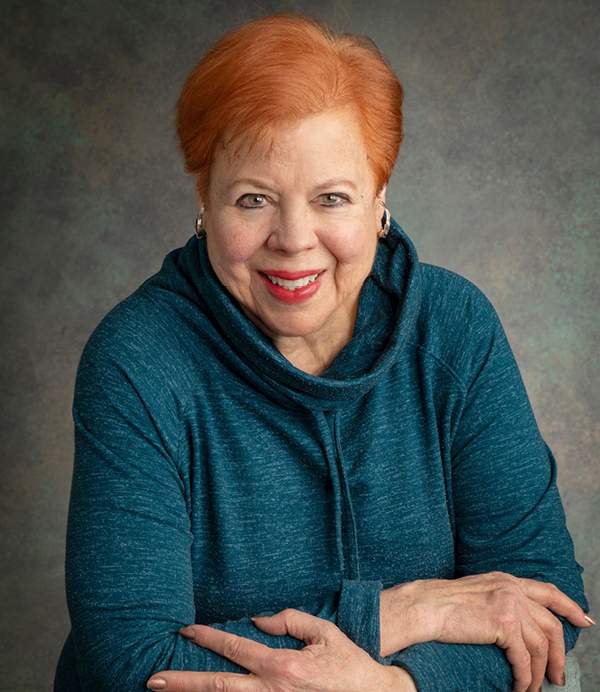
Linda FormanIf you are thinking of converting later in life, you need to sit down with your CPA and financial advisor to evaluate whether you will be able to recoup the tax cost of converting. If you will be paying a tax rate of 32% or 37% on the conversion, there may not enough time for the Roth account to grow to make the conversion worthwhile.
There are often opportunities where tax planning is key. If you will be experiencing large income dips or business losses (including rental losses), it may be a good year to consider conversion. Remember that capital losses don’t really help; such losses are limited to a net of $3,000 per year.